Wednesday, 7 November 2018

Understanding pain: Types of chronic pain


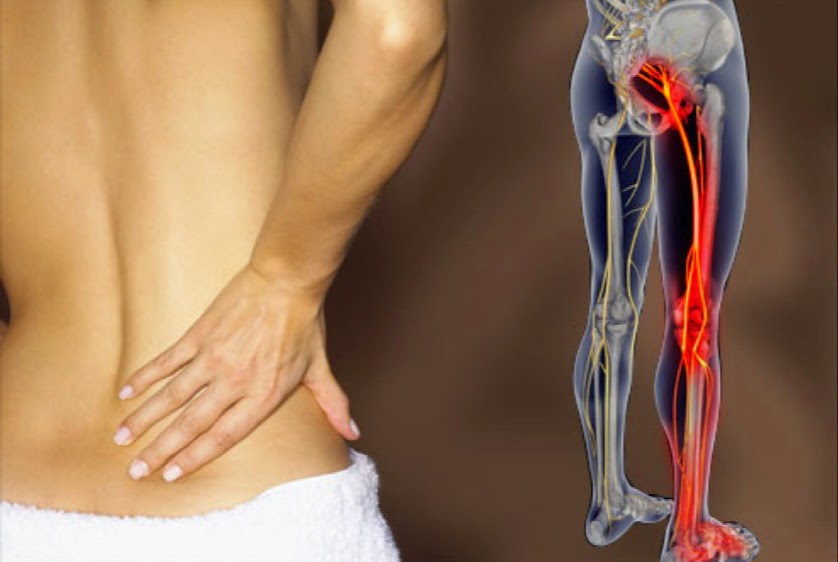
Chronic pain has always been a mystery in medicine. As much as we have advanced in the field, there are still some causes that healthcare practitioners have difficulty understanding. This simply shows that there is much work to be done when it comes to knowing all there is to know about pain. As for regular people, chronic pain is a health concern that is rarely talked about. To shed some light on the situation, here are two types of chronic pain and their causes.

Image source: lifecare.com.au


Nociceptive pain is a type of chronic pain that is caused by a damaged body tissue. This pain is commonly described as sharp, aching, or a throbbing pain. One of the most common causes of nociceptive pain is a benign pathology. Another cause is the growth of tumors or cancer cells which crowd the body and push other internal organs away from their original place. It can also be caused by the spread of cancer to the bones, joints, or muscles, which then causes blockages.

Neuropathic pain is a type of chronic pain caused by actual nerve damage. Nerves are spread throughout the body and connect to the spinal column and our brain. Neuropathic pain is often described as a burning or heavy sensation or a form of numbness around the affected area. This pain can be caused by a nutritional imbalance, alcoholism, toxins, infections, and auto-immune diseases. Cancer can also trigger neuropathic pain.

Image source: bbc.com
The most common area that experiences chronic pain is the back. This is due to several illnesses, as well as injuries. These illnesses include degenerative disc disease, epidural fibrosis, failed back surgery syndrome, arachnoiditis, lumbar disc herniation, and osteoporosis.

Dr. Karl Jawhari has been published in Dallas newspapers and appeared on CBS and local channel television shows to discuss innovative solutions to chronic pain and their reviews. Read more on this Facebook page.

Thursday, 18 October 2018

Potential reasons why leg pain occurs

Discomfort or pain felt in the leg can range anywhere from a dull ache to a stabbing sensation that simply won’t go away.  It can be the result of a minor injury or trauma, overexertion, or an underlying illness.  Here are some common causes of leg pain.


Injury

Muscle strain occurs when the muscle fibers tear due to overstretching.  Tendinitis is inflammation of a tendon, which are the thick cords joining the muscles to bone.  Shin splits lead to pain along the inner edge of the shinbone (tibia), while knee bursitis takes place when the bursa or fluid-filled sacs that surround the knee joint become inflamed.


Peripheral artery disease (PAD)

The limbs, usually the legs, are deprived of blood, typically after the arteries have narrowed.  The legs experience weakness, numbness, or cramping when one walks. They might also feel cold and emit an odd color.  PAD can be addressed through lifestyle changes such as quitting smoking, medication, or surgery.


Deep vein thrombosis

It’s a blood clot in a vein, typically in the thigh or lower leg. While symptoms don’t always manifest, there can be pain or swelling in the leg, and the affected part might be red and warm.  Beware and seek medical attention right away because it can lead to a serious condition called pulmonary embolism.


Common medical conditions

Leg pain can be caused by benign tumors or cancer, gout (arthritis that relates to excess uric acid), growing pains, juvenile idiopathic arthritis, Osgood-Schlatter disease, osteomyelitis (a bone infection), patellar tendinitis, peripheral neuropathy, stress fractures, and varicose veins, to name a few.


Leg pain from cramps or a minor injury can usually be treated at home with remedies such as rest, elevating the leg, wearing compression socks, or taking an over-the-counter pain reliever.  On the other hand, it’s best to see a doctor if there’s swelling in both legs, pain while walking, and leg pain that persists beyond a couple of days. 

Dr. Karl Jawhari has been published in Dallas newspapers and appeared on CBS and local channel television shows to discuss new and innovative solutions to chronic pain. Read more on this site.

Tuesday, 18 September 2018

A pain-free back and other benefits of doing yoga


Doctors constantly treating patients who are suffering from chronic back pain know only too well the everyday problems with such a malady.  There are instances where the back pain is so severe as to prompt surgery.  However, most of the time, all it takes is a bit of therapy, rest, and medicine. 


The patient should know that there are ways to supplement recovery from chronic back pain.  One of these is the practice of yoga.  Yoga has been around for centuries and has been developed over time to aid in the development of body flexibility and help the circulation of blood.  Both processes significantly aid in coping with chronic back pain.


But that’s not all.  Along with promoting muscle strength and overall flexibility and improving blood circulation, yoga soothes aches and pains, not just of the back, but also of the neck, and joints all around the body.


Yoga also helps in maintaining proper posture at all times and delays the uncomfortable signs of aging such as arthritis.  It also strengthens the bones that inevitably turn more brittle through time, battling the onset of osteoporosis.


The increased heart rate of a person doing yoga also means better health for the cardiovascular system, which is good for patients experiencing hypertension, diabetes, and stress.


So, what are you waiting for?  Try yoga now. 

Dr. Karl Jawhari, DC, a certified Health Coach by the U.S. Wellness Chamber of Commerce, is the founder of Core Integrative Health and Dallas Spine and Disc. He established these centers to provide medical solutions and relief to thousands of Americans living with chronic pain. For further information and reviews on chronic pain, visit this website.

Friday, 31 August 2018

Common Body Pains And What Causes Them

Having that sudden aching feeling all over your body may be the effect of one’s lifestyle, quite similar to when we indulge in rigorous exercises and work-outs.  Often the best recourse is to rest and seek some form of immediate treatment.  But some of the more chronic pains are symptoms of an underlying condition, which would require a long-term treatment plan.

One common cause of chronic body pain is stress.  Remember that your immune system will have a harder time controlling inflammation, infection, and outright sickness when you’re stressed out or anxious.  Be wary of typical signs of stress like hot flashes, increased blood pressure, hyperventilating, and migraines.  Engage in meditation and other relaxation techniques like walking to distance yourself from the triggers.

Image source: healthline.com


Lack of sleep also causes body pains and even affects your overall mental health.  You’ve to find a way to get at least six to eight hours of sleep every night to allow your body and brain tissues and cells to regenerate and stay healthy.  Aspire for a consistent sleep cycle to always keep you alert and devoid of various body pains.

Body pain is likewise a symptom of the onset of a cold or flu.  If you feel utterly exhausted even without doing heavy labor, it may be that your immune system is trying to fight off a disease.  When you’re developing a cold or flu, there will be inflammation in your chest and lungs, a sore throat, and regular sneezing.  Get some needed rest, take relief medicine, and, most importantly, drink plenty of water.

Image source: healthfitnesskeys.com

Dr. Karl Jawhari has taught effective chiropractor techniques being utilized by the industry today. He is a national speaker for the Health Awareness Foundation and is certified by the U.S. Wellness Chamber of Commerce as a Health Coach. For more reads on dealing with body pain, visit this blog.

Wednesday, 25 July 2018

How To Manage Back Injuries

Back injuries have a straightforward nature, in the sense that they always involve pain. Symptoms include pain in the back muscles, pain and numbness on one side of the body, pain across the arms and the legs, and pain after a certain movement. After diagnosis, you have to manage your back injury for quick and complete recovery. Here are some ways to do so.

Image source: backpaineurope.org

Where there is swelling, cold compress should follow. This helps reduce inflammation and relieve the pain within the first 48 hours of an injury. You should apply this 20 minutes at a time. You can also alternate warm compress and cold compress to lessen inflammation and to restore your range of motion. 

Unless your doctor prescribes bed rest, you should avoid staying still for extended periods of time. You should move, even amid slight discomfort. Movement improves blood circulation while reducing one’s natural motions can increase the pain. 

After an injury, you should be more conscious of your posture. When working, make sure you have good lumbar support when sitting down. Avoid poor posture. For women who suffer from periodic back pains, avoid wearing heels since this creates tension and stress in the lower back. If you need to wear them to work during meetings, bring them along but wear comfortable footwear when you don’t need to use the heels. 


Dr. Karl Jawhari, DC is a certified Health Coach by the U.S. Wellness Chamber of Commerce and the founder of Core Integrative Health and Dallas Spine and Disc. He established these centers to provide medical solutions and relief to thousands of Americans who are living with chronic pain. For more reads and reviews on back injuries, visit this website.

Thursday, 12 July 2018

Common treatment options for sciatica

It is estimated that four in ten people will experience sciatica at least once in their lifetime. Sciatica is a condition wherein the sciatic nerve, the largest and longest nerve in the body that passes from the lower spine to each upper leg, gets irritated. The pain it causes ranges from constant to causing difficulty standing up or walking. 

Image source: thrombocyte.com

There are various treatment options medical professionals or specialists recommend to sciatica patients, depending on the underlying cause and intensity of the pain. The most common are the following: 

Medication: If the pain is not that severe and the cause is not serious, oral medication can be taken, including pain reliever, muscle relaxant, or even antidepressant. In some cases, epidural injections are also applied to reduce inflammation. 

Chiropractic manipulation: Spinal adjustments can be made using chiropractic manipulation conducted by trained health professionals. The purpose is to provide better spinal column alignment so that the condition can heal faster. 

Therapy: If the symptom persists for a few weeks, physical therapy may be recommended to reduce the pain and to prevent its recurrence. Cognitive behavior therapy is also beneficial to manage a self-defeating mindset. 

Spinal decompression: This relatively new treatment involves a computer-controlled machine that gently stretches the spine to relieve it of pressure and introduce nutrients and fluid into degenerated and injured discs. 

Image source: skeletalguide.com

Dr. Karl Jawhari, DC specializes in innovative solutions to chronic pain that are backed by years of research and reviews. He is also the founder of Core Integrative Health, a firm that consists of a compassionate and well-rounded team of medical professionals, office staff, and treatment therapists. To read more about chronic pain, check out this blog.

Tuesday, 29 May 2018

Alternative Care: What Is Spinal Decompression Therapy?

Spinal decompression therapy is a recognized treatment for lower back and leg pain. It involves stretching the spine via a traction table or a similar device. The formal term for this procedure is “nonsurgical decompression therapy,” as it doesn’t require surgery.

Image source: elitehealthandwellness.com

Surgical spinal decompression types are called microdiscectomy and laminectomy. But nonsurgical spinal decompression therapy is increasingly being offered by osteopaths, chiropractors, and other qualified health professionals for relieving pain in the affected areas of the body. It is also recommended when dealing with a pinched nerve and a bulging or herniated disc or medical conditions like sciatica, a degenerative disc disease.

With this therapy, retraction or repositioning of the herniated area is promoted and healing nutrients, water, and oxygen once again can enter the affected disc. Nonsurgical spinal decompression treatment lasts about 30 to 45 minutes and patients could be required 20 to 28 visits in a span of five to seven weeks.

Patients are increasingly preferring spinal decompression therapy for its zero recovery time and side effect. The treatment does not involve any discomfort, too, and it’s so much more affordable that surgery. Finally, studies and reviews show that up to 92 percent of candidates actually avoided surgery by embracing this form of therapy.

Image source: wellnessproteam.com

Dr. Karl Jawhari founded Core Integrative Health, a practice that specializes in spinal decompression and painless natural healing. It uses a multidisciplinary approach in healing people’s bodies structurally and nutritionally. Review Dr. Jawhari’s professional background on this website.